Strategic
Situation
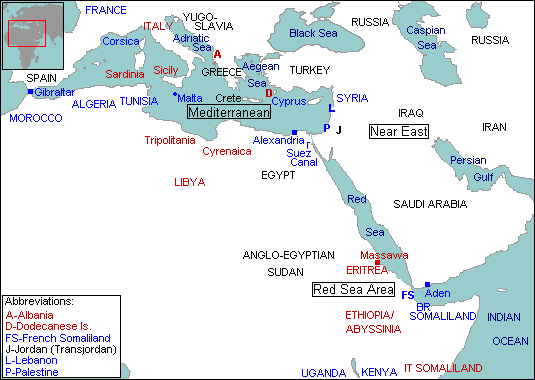
The three main
theatres
were the Mediterranean itself, the oil
production regions of the Near East, and
the Red Sea area
.
Mediterranean
- In the western half, Britain and France
between them controlled Gibraltar at the
narrow entrance from the Atlantic,
southern France,
Corsica, Algeria and Tunisia. Malta at the
centre was a
British colony. In the eastern half,
Britain maintained a hold on Egypt and the
Suez Canal, Palestine and Cyprus. In the
Levant, Lebanon
and Syria were French. Italy stood
astride the central basin, with Italy
itself, Sardinia
and Sicily to the north and Libya with its
provinces of
Tripolitania and Cyrenaica to the south.
Albania on the
Adriatic Sea and the Dodecanese Islands in
the southern
Aegean off Turkey were Italian. The
Neutral countries in
the western Mediterranean were Spain, and
in the east,
Greece and Crete, Yugoslavia and Turkey.
Near
East - Iraq,
Persia (Iran) and the Persian Gulf area
were within the British sphere of
influence and surrounded
by Allied or neutral countries.
Red Sea
Area –
To the east Saudi Arabia had close ties
with Britain, and at the southern end of
the
Red Sea, Aden was a British colony. On the
west shore
were Egypt and the Anglo-Egyptian Sudan,
and further
south French and British Somaliland. In
between the Sudan
and Somaliland were the linked Italian
colonies of Eritrea, Ethiopia
(Abyssinia) and Italian Somaliland.
Bordering them to the
south was British Kenya.
Military
and Maritime Circumstances
Even allied to
France, Britain's position in the Mediterranean
was not guaranteed. Gibraltar might
be secure,
assuming Spain's continued neutrality, but
Malta
was considered indefensible in the face of
the Italian
Air Force based in Sicily. As it happened
only the later
arrival of the German Luftwaffe turned
this threat into a
near reality. However, Malta's
well-equipped base had to
be abandoned by the Mediterranean Fleet
for the poorer
facilities at Alexandria in
Egypt. A large Italian army in Libya (Tripolitania
and
Cyrenaica) threatened Alexandria and the Suez
Canal, against which only a
relatively small British
and Dominion force could be fielded.
Fortunately this had
been reinforced earlier in the year by
Australian and New Zealand troops.
From bases in
Italian East Africa the Italian Air Force
and Navy
were capable of cutting Allied supply
routes to Suez
through the Red Sea. The Italian
army was also
powerful enough to conquer British and
French Somaliland
and pose a threat to the Sudan and Kenya.
The Italians'
one major problem was the impossibility of
supplying
these forces other than by air from Libya.
These threats
to Malta, Suez and the Red Sea depended on
Italy taking
and holding the initiative. She did not.
Malta became
a
thorn in the side of Axis supply routes to
Libya. And
Libya and Italian East Africa in fact
become endangered
from the very Allied territories they
threatened. Over
the next three years, Malta above all
became the pivot
about which the whole Mediterranean
campaign revolved -
both the problems of its supply and its
effectiveness as
an offensive base. Later Axis plans to
invade the island,
so invaluable to the Allied cause, came to
nothing.
("The
Supply of Malta 1940-1942" by Arnold
Hague, including the Malta Convoys)
Major
Naval Strengths
The Royal
Navy maintained a small force of
destroyers at Gibraltar, largely
for Atlantic
convoy work, but the Western Mediterranean
was primarily
the responsibility of the French Navy -
although British reinforcements could
soon be dispatched from the Home Fleet as
shortly
happened. The Eastern Mediterranean was in
the hands of
the Mediterranean Fleet and a small French
squadron based
at Alexandria. It was up to
strength in major units but still weak in
cruisers, destroyers and submarines when
compared with the Italian Navy. This was
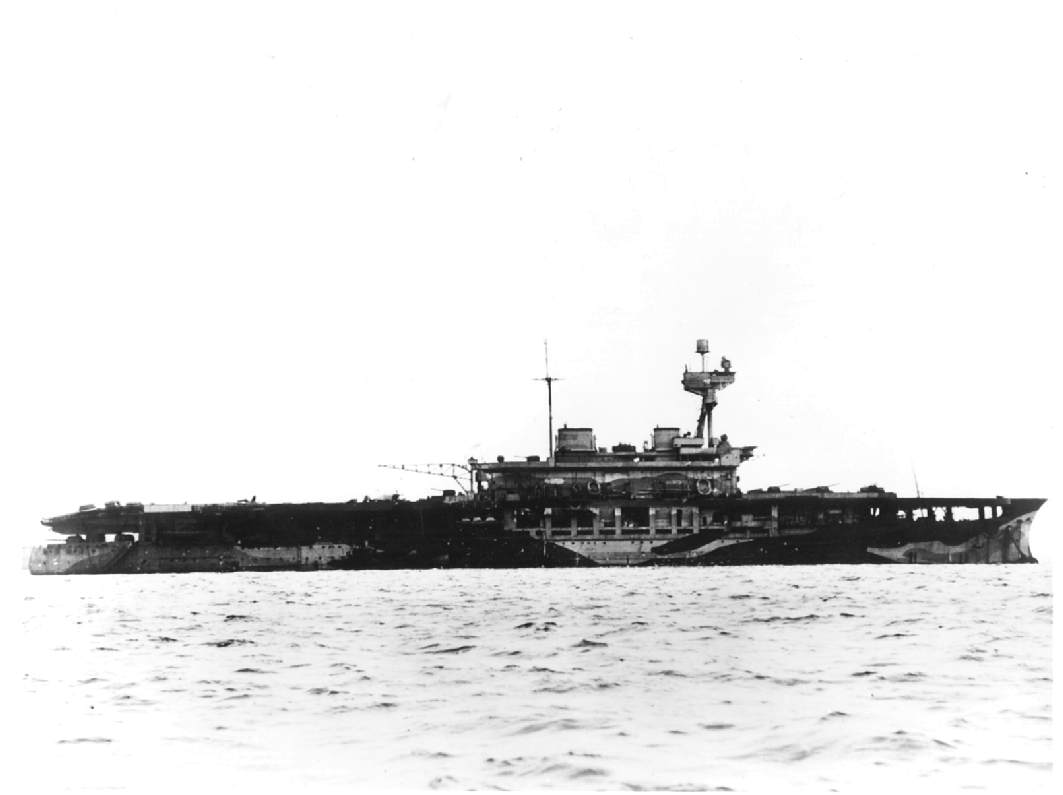
partly offset by the presence of carrier
Eagle
to accompany battleships
Malaya,
Ramillies,
Royal
Sovereign and Warspite.
What the Mediterranean Fleet lacked in
numbers was more than
made up by the aggressive fighting spirit
of its
Commander-in-Chief, Adm Sir Andrew B.
Cunningham, his
officers and men, and their training.
The Italian
Navy maintained a small but useful force
in the Red Sea. Against these
could be deployed
ships of the East lndies Command based at
Trincomalee in
Ceylon. But the Italian’s overwhelming
strength was
in the Mediterranean.
|
Major
Warship
types
|
Western
Med
FRENCH NAVY
|
Mediterranean
ITALIAN NAVY
|
Eastern
Med
ROYAL NAVY
|
Eastern
Med
FRENCH NAVY
|
Mediterranean
ALLIED TOTAL
|
|
Battleships
|
4
|
6
(b)
|
4
|
1
|
9
|
|
Carriers
|
-
|
-
|
1
|
-
|
1
|
|
Cruisers
|
10
|
21
|
9
|
4
|
23
|
|
Destroyers
|
37(a)
|
52(c)
|
25
|
3
|
65
|
|
Submarines
|
36
|
106
|
10
|
-
|
46
|
|
TOTALS
|
87
|
185(d)
|
49
|
8
|
144
|
Notes:
(a) Plus
10 British
destroyers at Gibraltar.
(b)
Included 2 new
battleships completing.
(c) Plus
over 60 large
torpedo boats.
(d) Based
at Massawa
in the Red Sea were another 7
destroyers, 8
submarines and 2 torpedo boats.